Sacred Verona
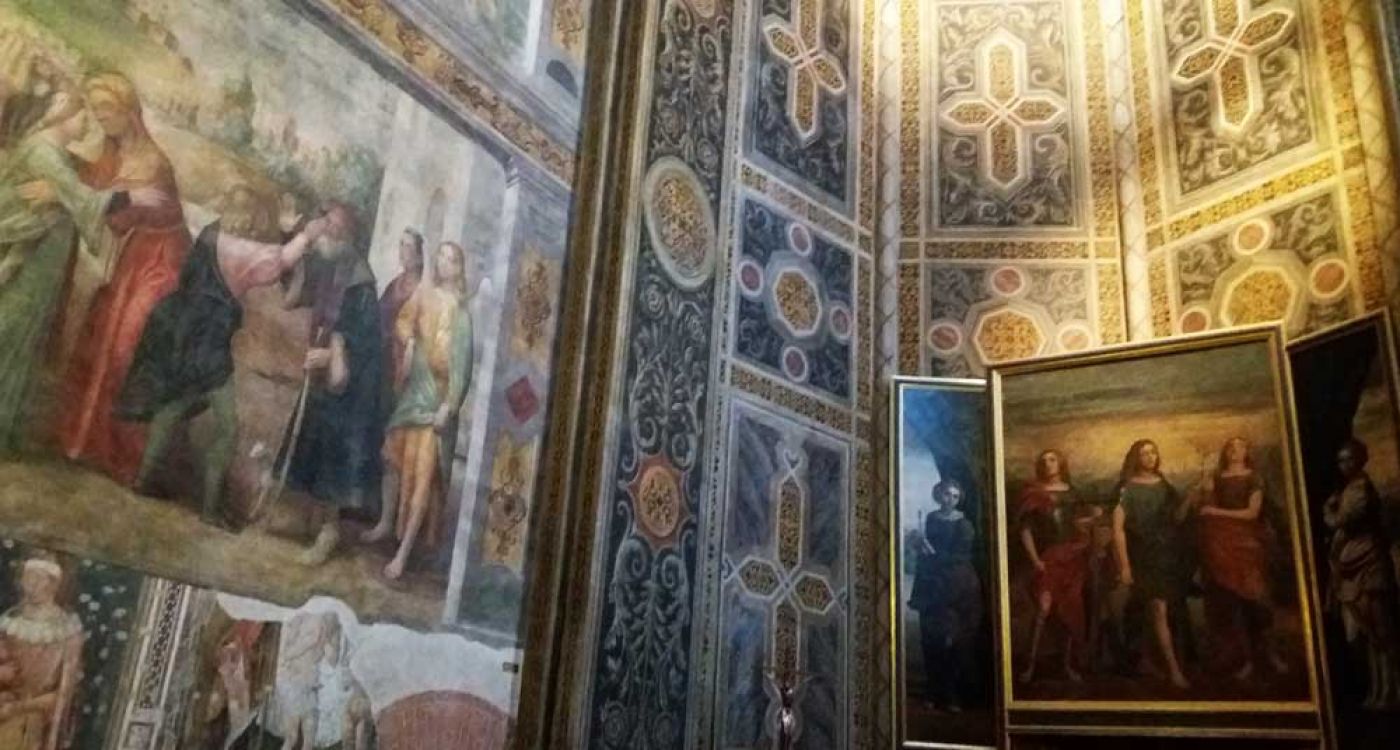
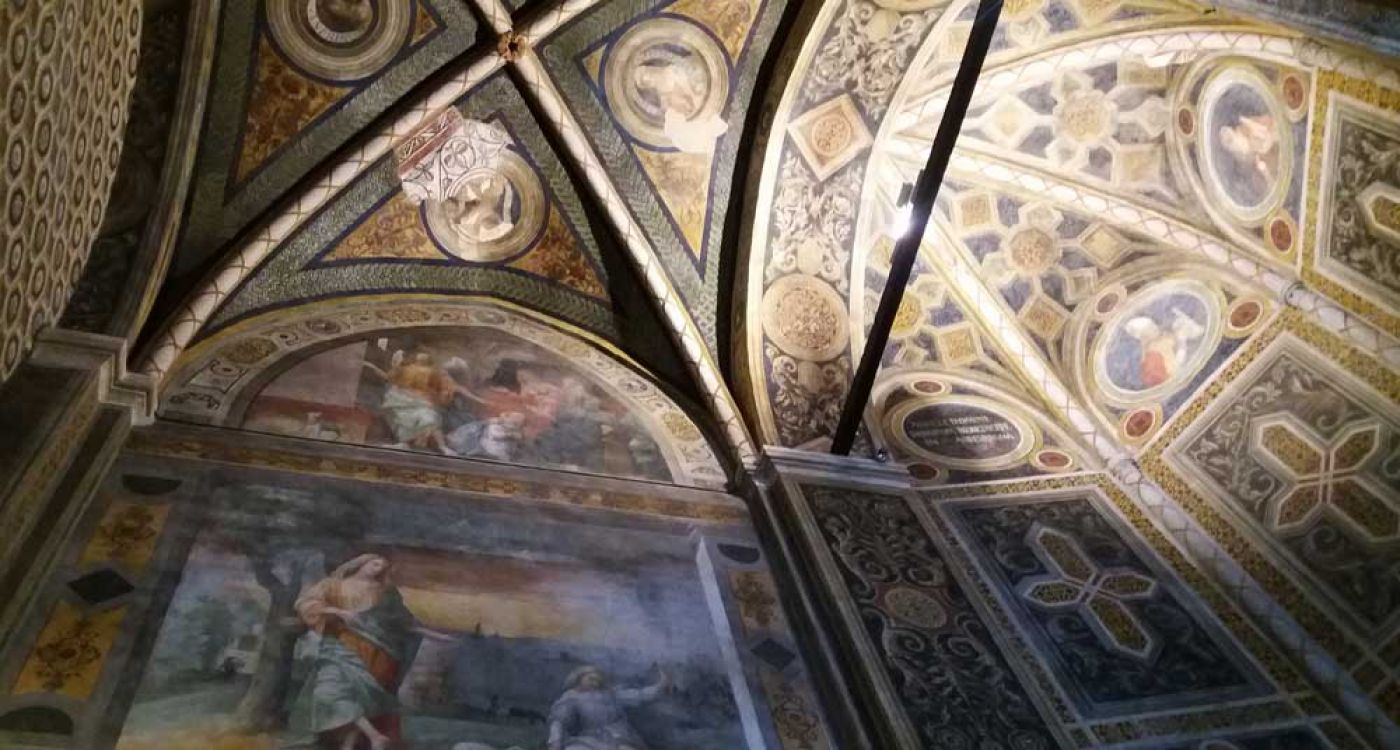
Churches are the soul of the city, a museum par excellence, where man and God meet.
After crossing the threshold, we are plunged into another dimension, where the architectural design embodies a certain philosophy. Take a journey into spirituality and art, to get to know saints’ lives and the meaning of religious and pagan symbols.
Main Cathedral, St. Helena and St. John the Baptist (IV - XVII c.)
Three churches connected to each other with mosaics of two other churches discovered under the floor. The old porch of the cathedral is a staple for the Romanesque art. Note the beautiful clustered pillars of red marble, the columns complex surrounding the main altar, a painting by Titian and the enormous baptismal font carved into a three-meter-large monolith in the Middle Ages. Do not miss the cloister and the oldest library in the world, officially active since 517.
See also Book Culture
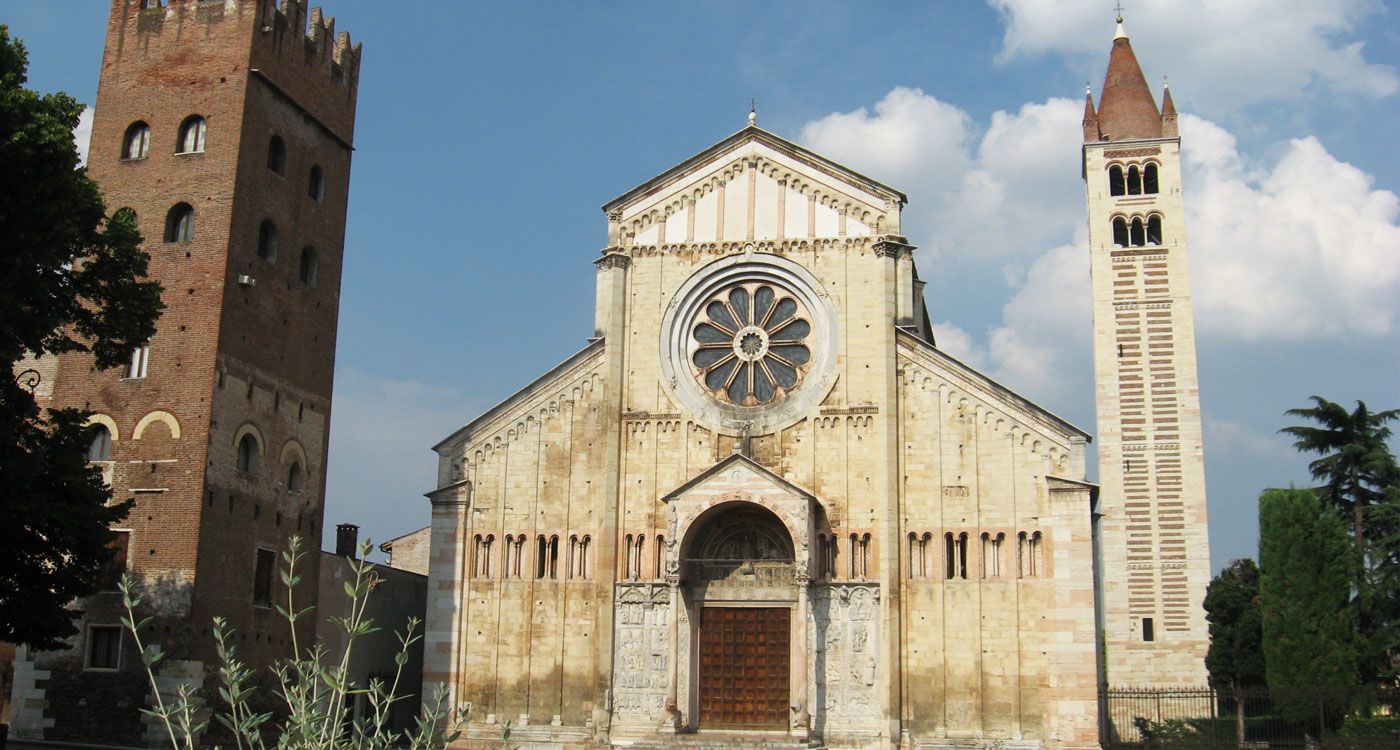
Basilica of St. Zeno (XI-XIV)
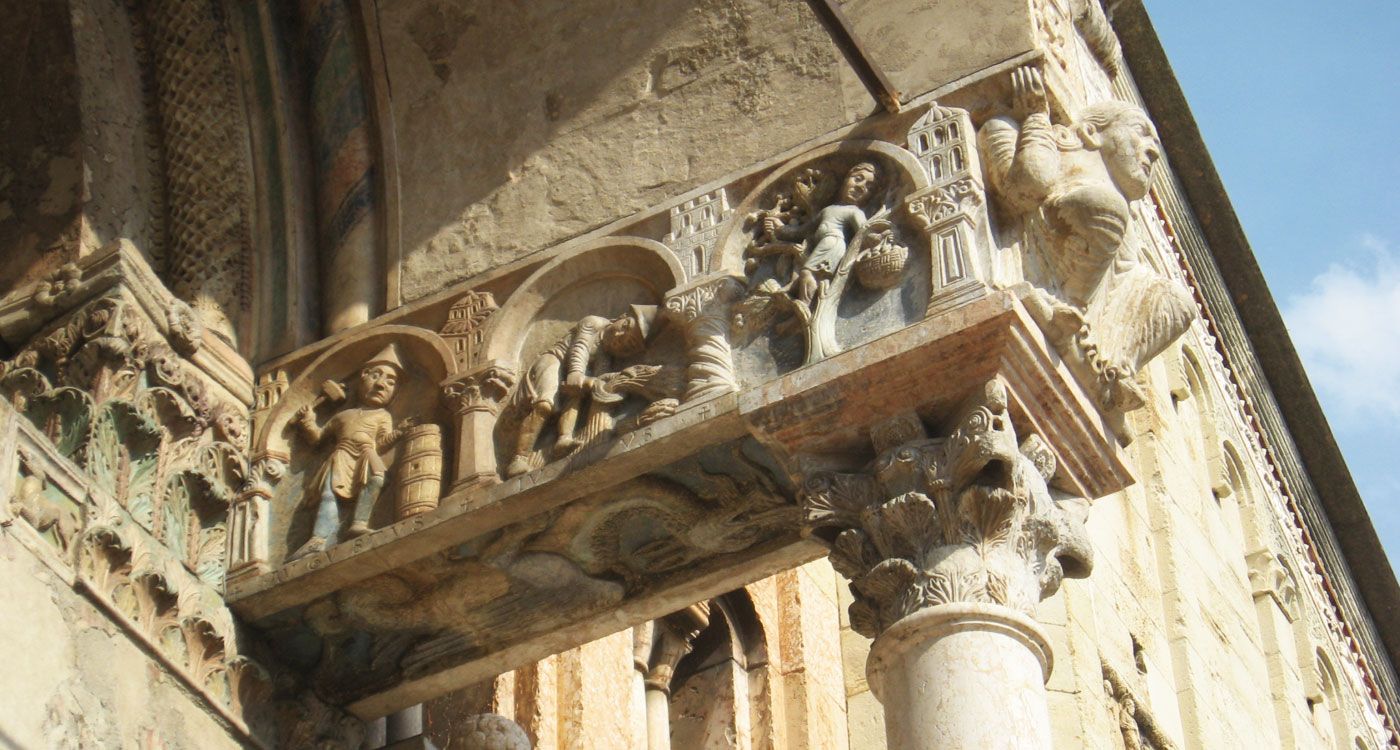
This basilica represents perfection in the Romanesque style. Among its most characteristic elements: the wheel of fortune, 12 months carved on the portal representing rural life, the bas-reliefs with scenes from the Bible in the facade, the bronze doors, the triptych by Andrea Mantegna, which marks the birth of the Renaissance in Verona. The elegant cloister is what remains of one of the richest Benedictine monasteries. The crypt preserves, among an infinity of columns, the relics of the venerated patron of Verona, St. Zeno.
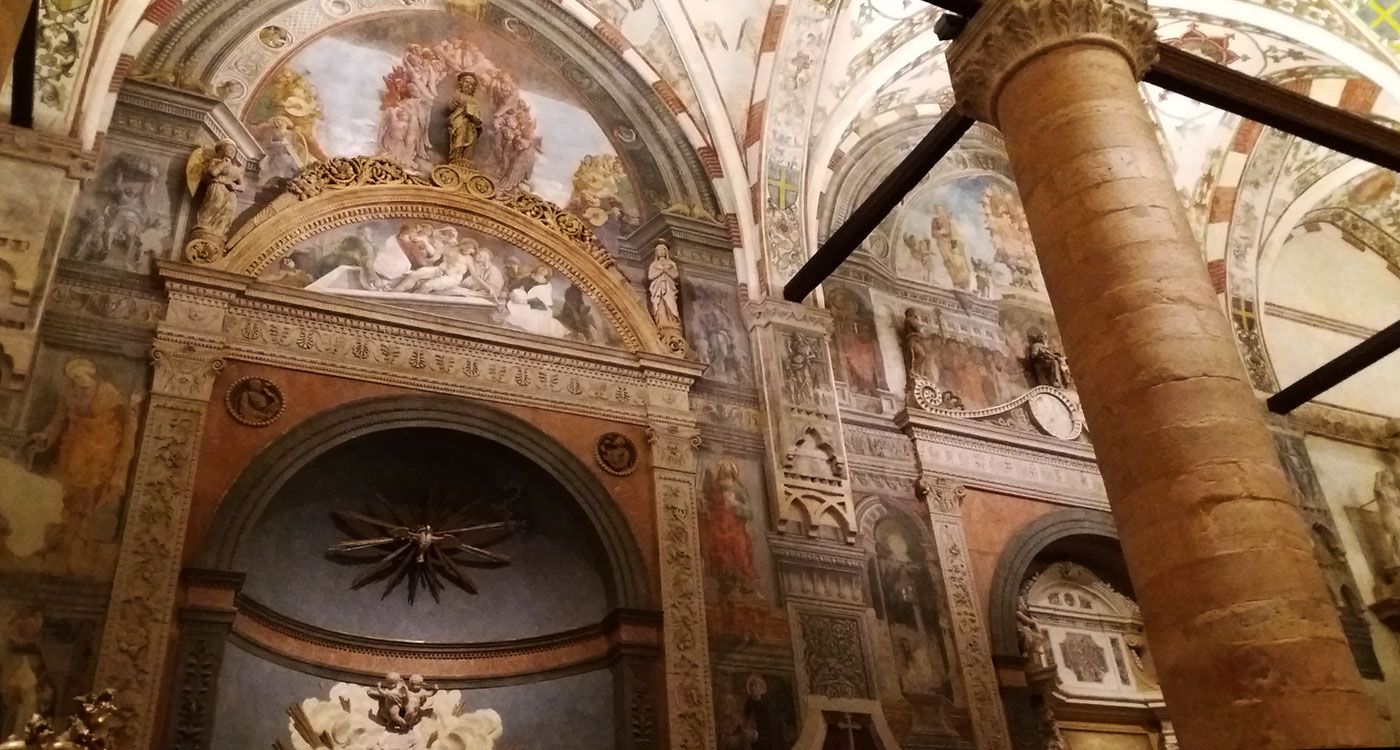
Church of St. Anastasia (XIII-XVI)
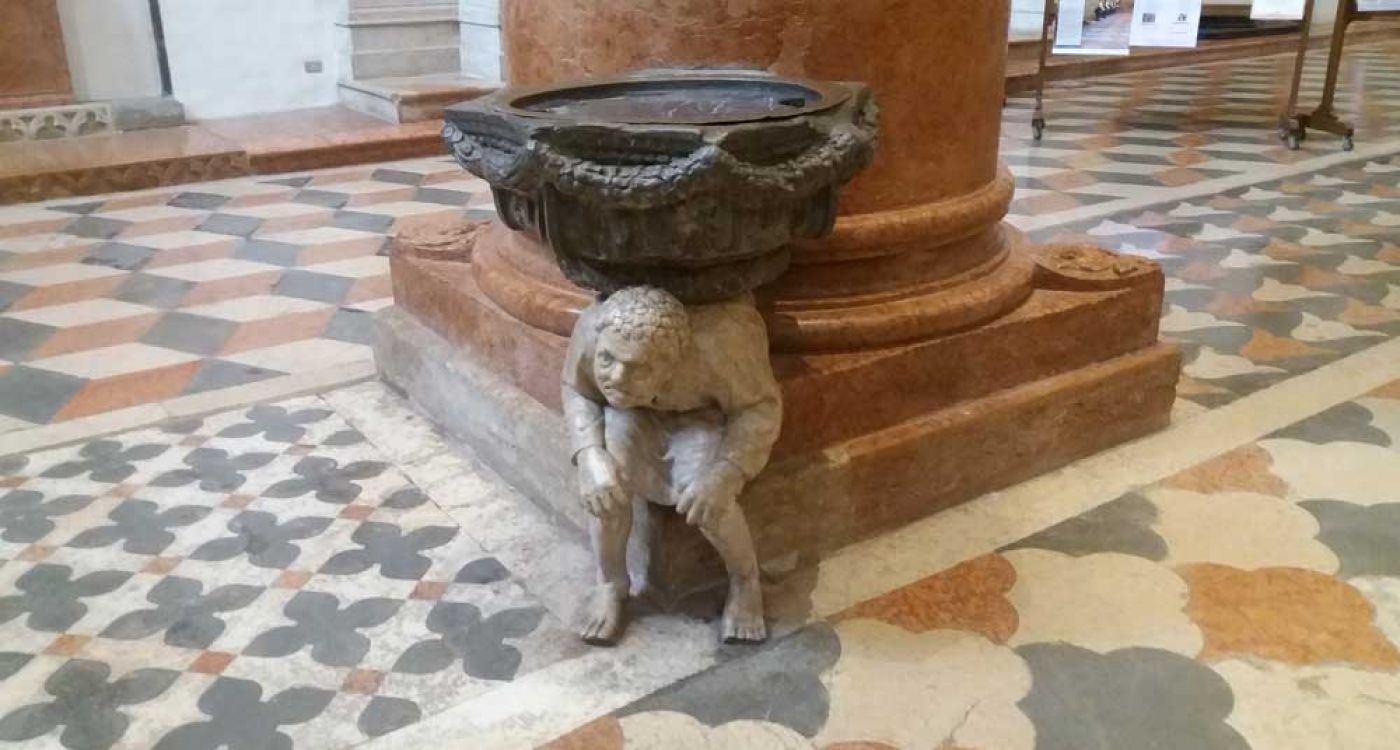
The largest and the most joyous of the churches in Verona due to the numerous works of art, the beautiful colored stone floor and the mighty red marble columns. You can admire the finest works of the city sculpture, huge frescoed surfaces, including masterpieces by Altichiero and Pisanello, stained glass windows and altars like triumphal arches. At the entrance two legendary hunchbacks will welcome you.
St. Fermo and Rustico (XI-XIV)
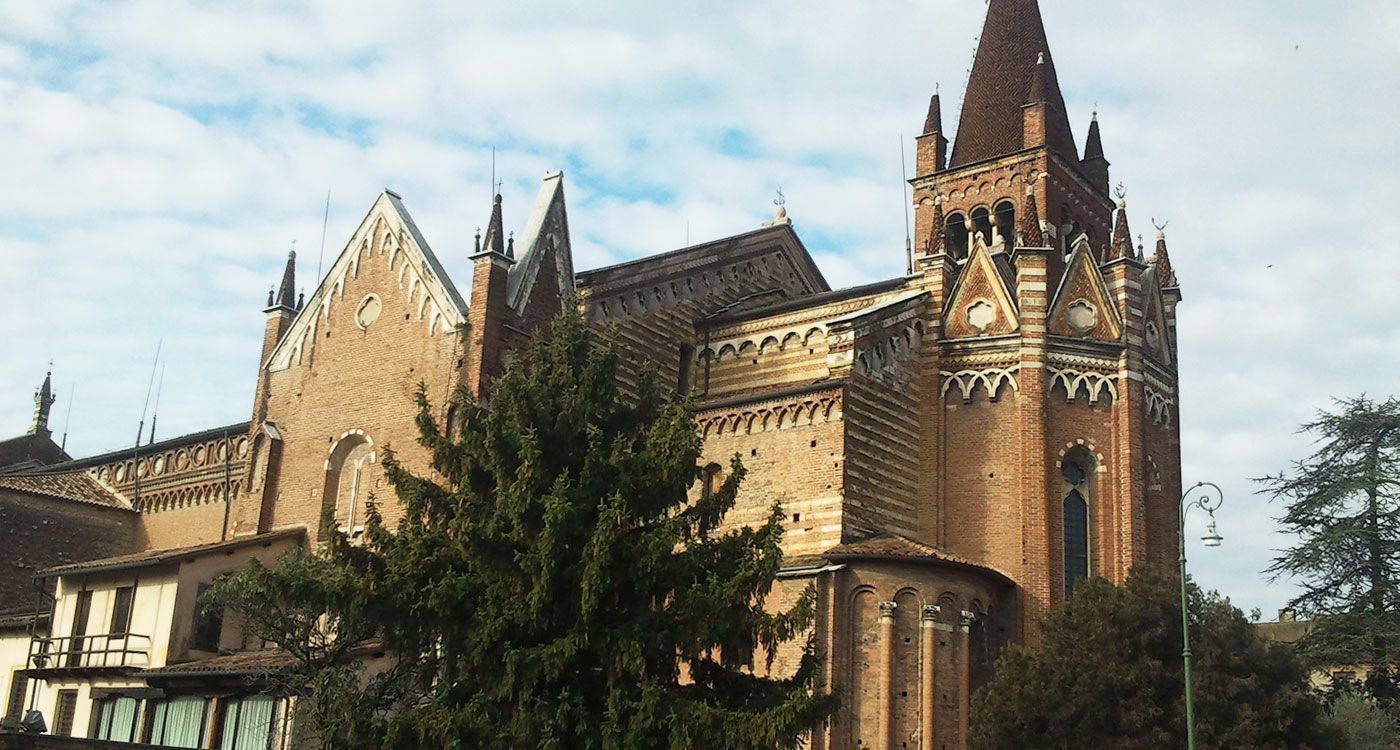
Rare example of a double church: the lower Benedictine church and the upper Franciscan church correspond to two different worlds, witness 2 epochs, 2 styles, 2 ecclesiastical orders. You will be astonished by the wooden ceiling made as a ship's hull and the frescoes by the artist who best understood Giotto's teaching. This church presents one of the largest variety of burial monuments in Verona.
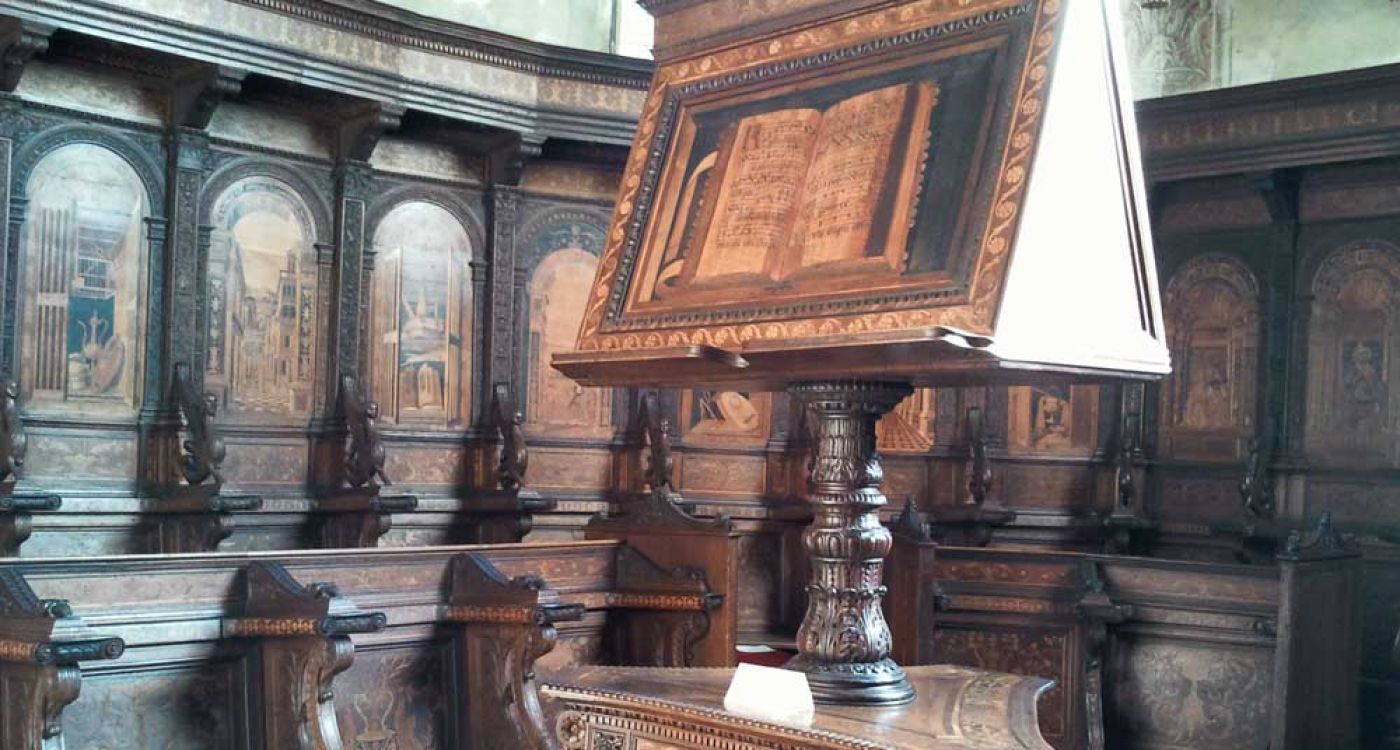
St. Mary in Organ (XII-XVI)
The sacristy and the choir-seats, the lectern and the giant candleholder are among the greatest masterpieces of carving and inlay work of the Italian Renaissance and would be enough to pay a visit to this church, which reserves many other surprises: the legendary sculpture of Christ on the Donkey made of this church the most important destination for the tourists in the past centuries. In addition to the numerous paintings by Veronese artist, you can admire also Guercino, Savoldo and L. Giordano, and Roman columns if you go down into the crypt.
S. Lorenzo (XII-XV)
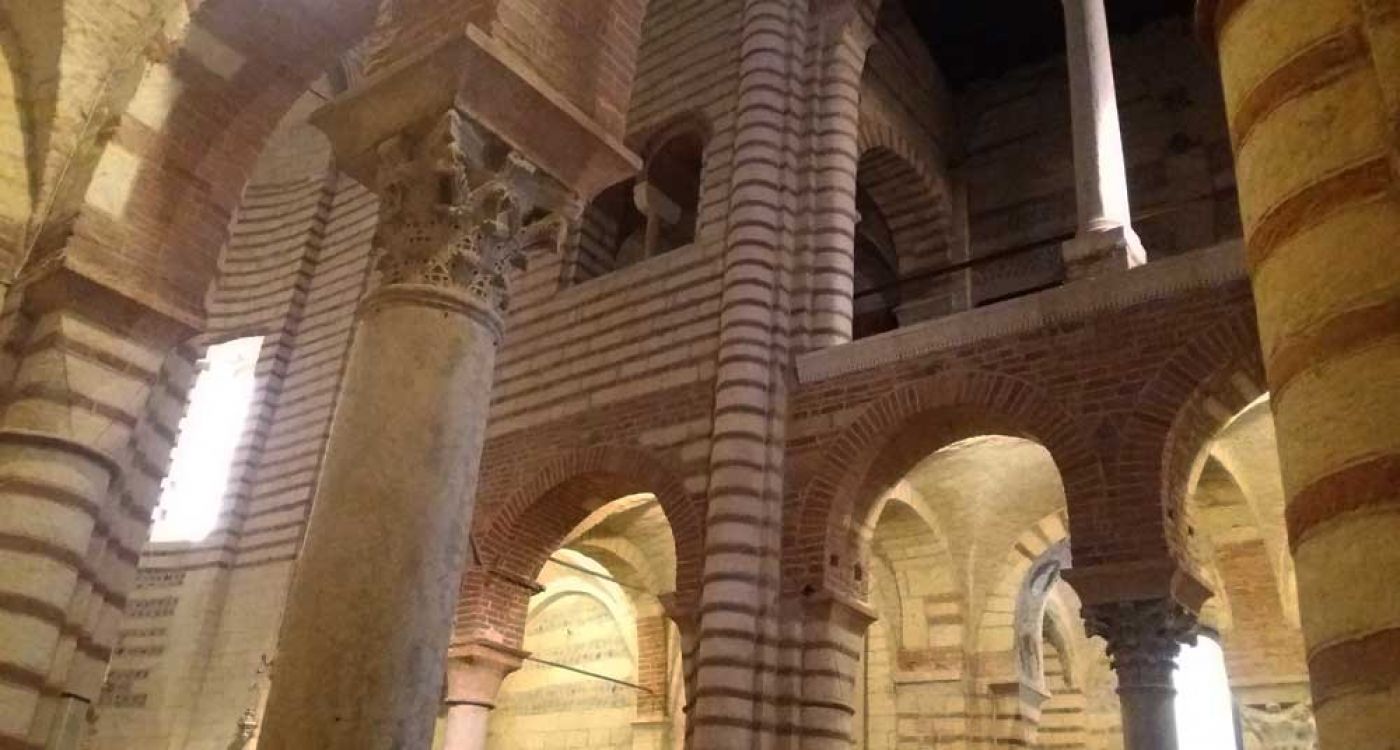
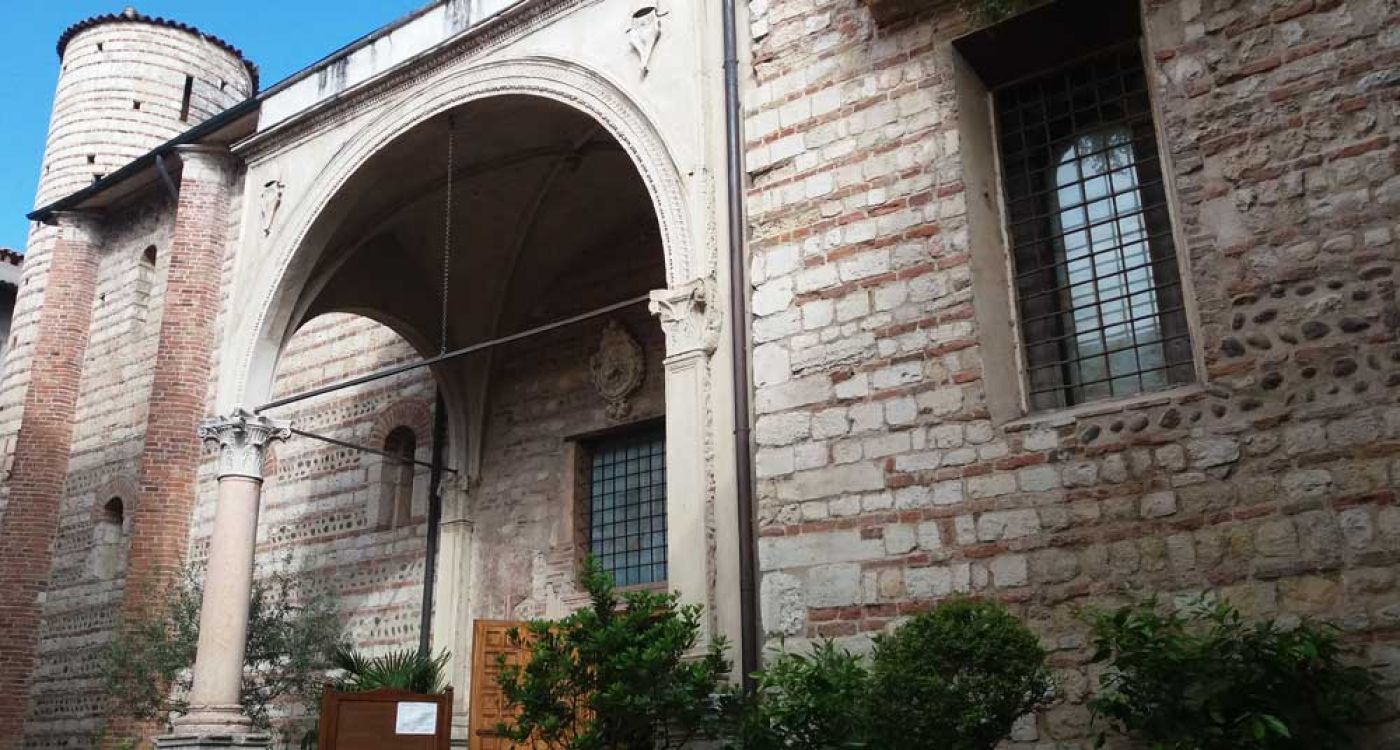
This Romanesque church has two peculiarities that make it rare in the Italian landscape: it has even 3 towers: one is the belfry and the other two towers on the facade are to reach the upper galleries for women inside. The interior space has a great musicality due to the bands of bricks and white stone and the rhythm created by the alternation of pillars and columns.
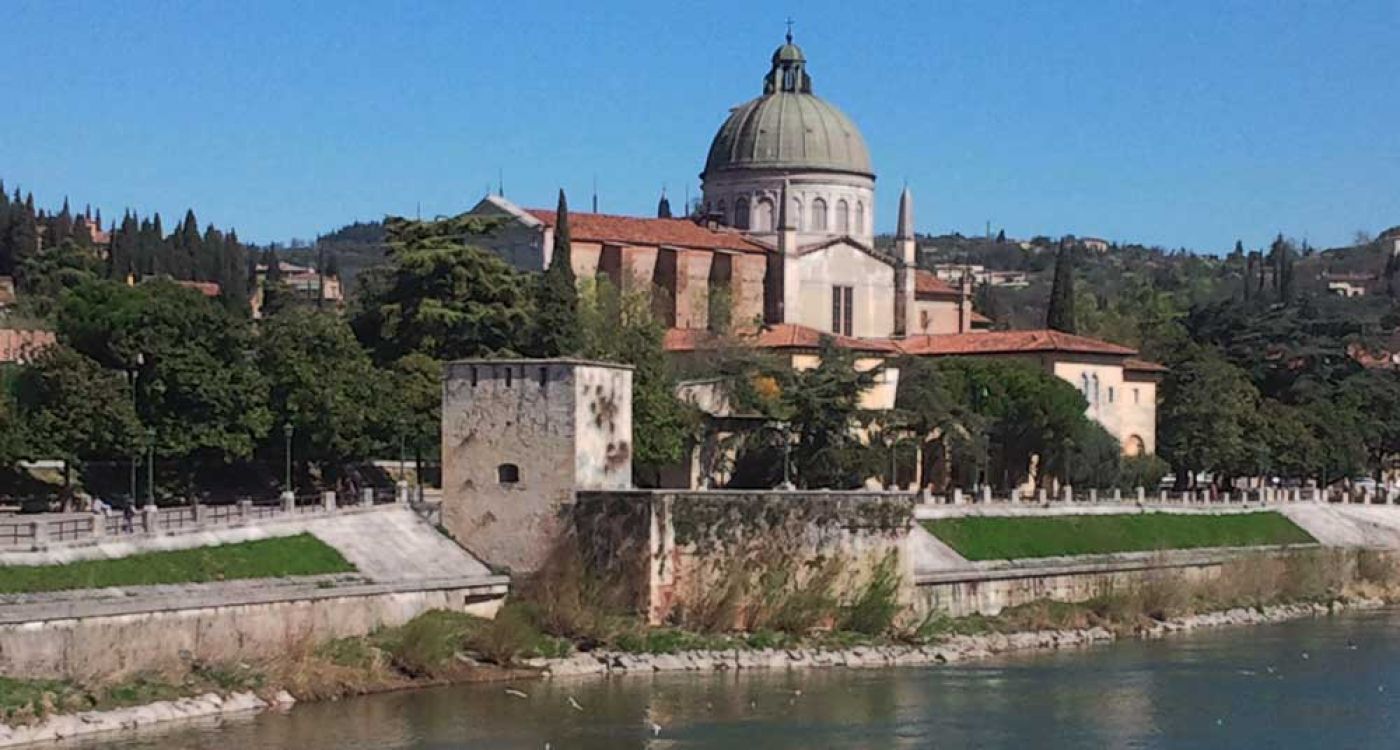
Church of St. George in Braida (XVI-XVII)
Its majestic dome rises over the river. This church is rightly considered an art gallery. Born with a harmonious project thanks to rich monks of noble Venetian origins, it features works by leading artists, such as Tintoretto, Moretto, Romanino and Paolo Veronese. Here you can admire the largest paintings of the city, along with small testimonies of local folklore. In fact, in a hidden side chapel there are many wooden paintings representing the misfortunes overcome thanks to the prayers addressed to Jesus preserved in here. Local pilgrimage destination.
Church of St. Stephen (IX-XVIII)
The church, built on a pagan temple, is divided both horizontally and vertically into three: 3 Naves and 3 levels. It has very particular elements: an octagonal bell tower rises above the roof in the heart of the church and a double staircase behind the main altar for the veneration of the relics. Here is the most beautiful chapel of the veronese Baroque with paintings by P. Ottino, Tuchi and Bassetti. On the facade are engraved some nice news from the Middle Ages, including the return of the Montagues from their exile.
S. Euphemia (XIV-XVIII)
Very long majestic church built by hermit friars. It boasts a particular vaulted ceiling and symmetrical altars with paintings by the best Veronese painters. It can be considered a local painting art gallery. Do not miss the chapel of the Angels with a rare cycle frescoed by G. F. Caroto.
Church of Paradise (XVI-XVIII)
A true paradise for pilgrims. The richest collection of sacred relics in Europe is preserved in it: they are more than 30,000, passed from hand to hand and brought to Verona from the Roman catacombs and the crusades. Among the curiosities: the rust of Saint Peter’s chains, a fragment of column from St. Paul’s beheading, a piece of St. Joseph’s mantle, the dust from under the feet of St. Anne, a piece of wood and a nail of the Holy Cross... The teeth of the Saints are arranged in the form of plants, skulls and bones dressed in lace and decorated with flowers to neutralize fear and enhance the holy aspect.
These relics are considered historical documents and objects of worship, they witness faith and spirituality, but above all they are the bridge between two worlds, earth and afterlife.
Church of St. John in Forum (XI-XX)
Hidden in between houses, this ancient church preserves a crib of bread made during the first World War by soldiers hospitalized here, a Black Madonna, the ancient prisons, a pendulum of Foucault, mosaic floors with early Christian symbols. There is a stone you touch to have the weather forecast and if you want a secret to be revealed, another to make all doubts disappear. In this church you enter going down, instead of up.
Do you want to find out why?