


Museums in Verona
The cultural heritage and wealth of the Province of Verona is evidenced by 70 museums, located in small towns and villages, in the mountains and in the plain. There are about twenty museums in the city of Verona.
The Arena, the Lamberti Tower, the Scaliger Tombs are also considered open-air museums. Of course, Verona is primarily associated with Juliet, and another museum is the archive of love letters that still arrive from all over the world. Moreover we have collections of scores, banners and bells on some belfries, rare musical instruments of the Philharmonic Academy, and amazing ancient Roman mosaics in the basements of private homes and shops.
Museums are closed on Mondays until 13.30.
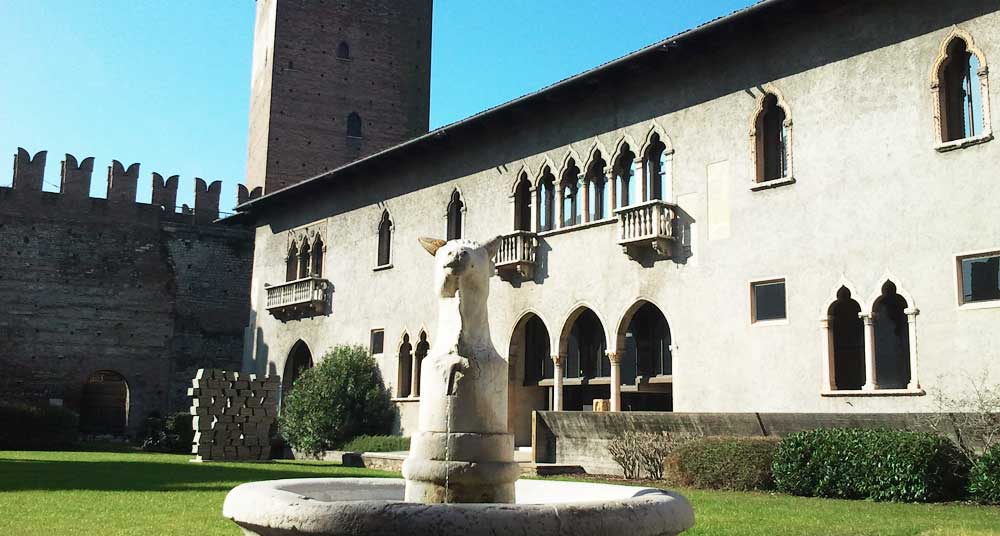
Castelvecchio City Museum
This is a museum within the museum. It is visited not only to see the exhibition, but also to see where and how works of art are displayed, according to the amazing project by a great Venetian architect, Carlo Scarpa.
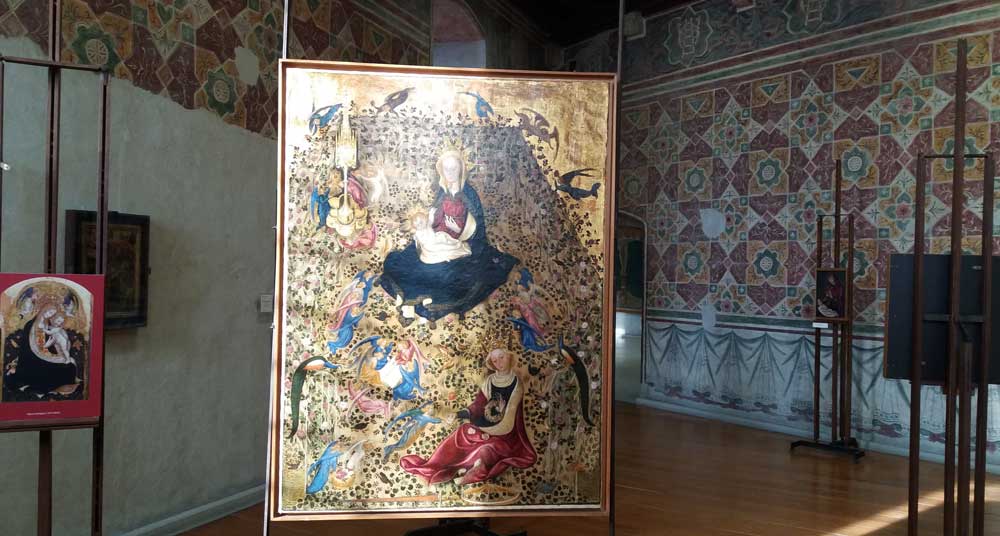
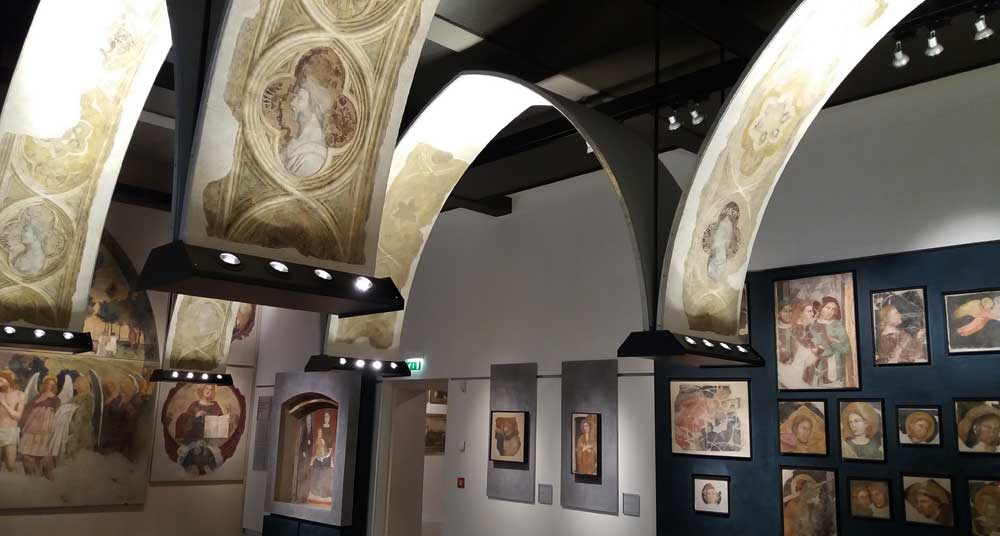
Frescoes and paintings, sculptures, bells and weapons are arranged in chronological order in the Scaliger castle and adjacent barracks, and allow you to see the evolution of painting from the Middle Ages to the XVIII century. You will see a rich collection of paintings, masterpieces most on religious themes by extraordinary Venetian artists such as Pisanello, Bellini, Mantegna, Paolo Veronese, Tintoretto, Tiepolo, and Flemish painters, among them Rubens.
A charming wall walk along the crenellation in-between the towers will offer you a magnificent view on the river, bridges, tiled roofs and the hills all around Verona.
https://www.museodicastelvecchio.it
Maffei’s Lapidarium Museum
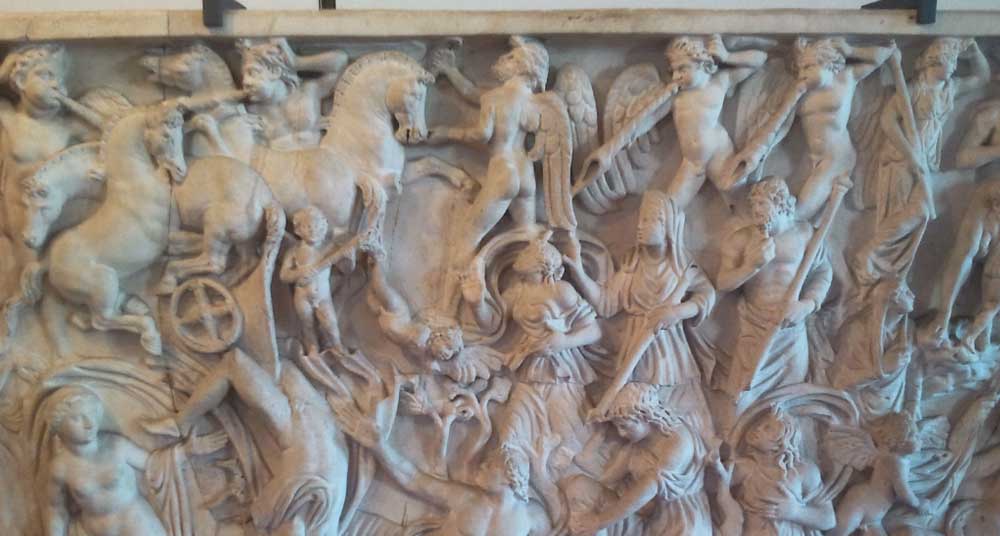
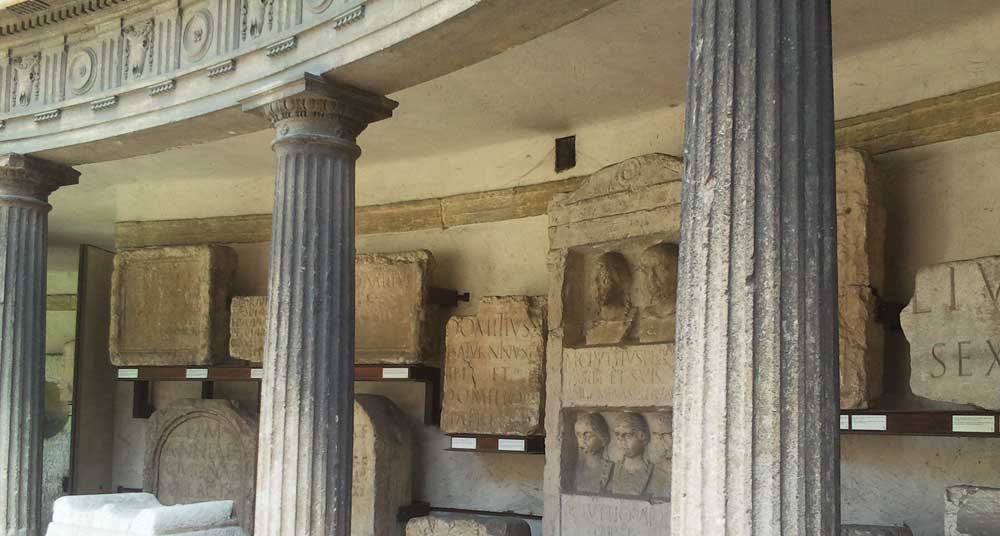
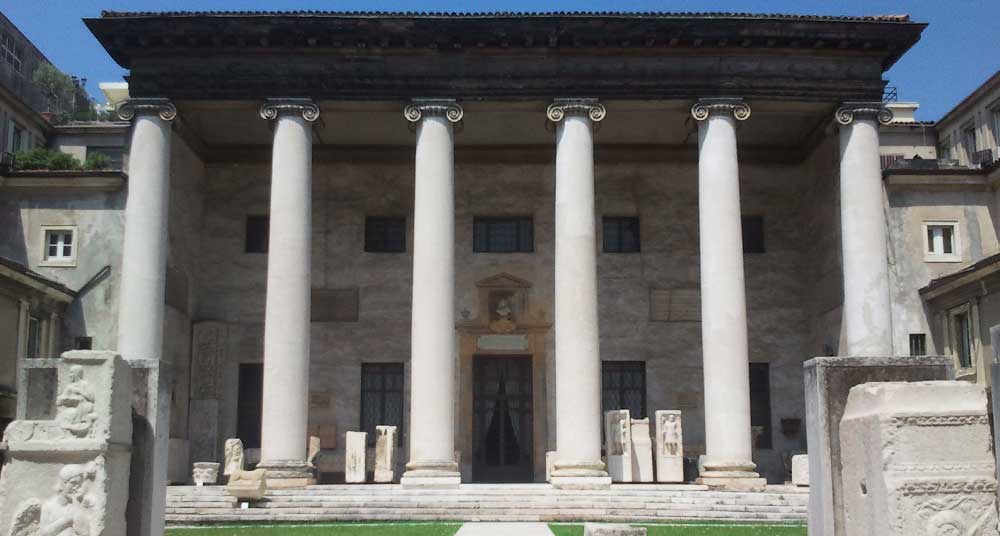
It is one of the first public museums in Europe, founded in 1716 by the Marquis Scipione Maffei, a great collector of ancient art, inscriptions and stone slabs. These documents were engraved on stone between 5th century BC and 5th AD. It’s 1000 years written on stones of Greek, Etruscan and Roman origin. The atmosphere of this Museum will allow you to plunge into mythology and ancient peoples’ life: gladiators and slaves, centurions and merchants, artists and warriors tell us with tombstones and bas-reliefs about their own success.
https://museomaffeiano.comune.verona.it
Archaeological Museum at the ancient Roman Theater
This is a charming place by the river on a hillside, where the Veronese civilization developed before our era. The museum is in an ancient monastery that you can reach climbing the steps of the Roman Theatre and then taking a lift up to the 5th floor. In tiny monastic cells, in a large refectory and in quiet courtyards you can find authentic housewere of ancient Roman life, bronze and marble statues, mosaics. And from the height of the monastery - a stunning view of the city, just divine!
www.museoarcheologicoverona.it
Cavalcaselle frescoes Museum at the tomb of Juliet
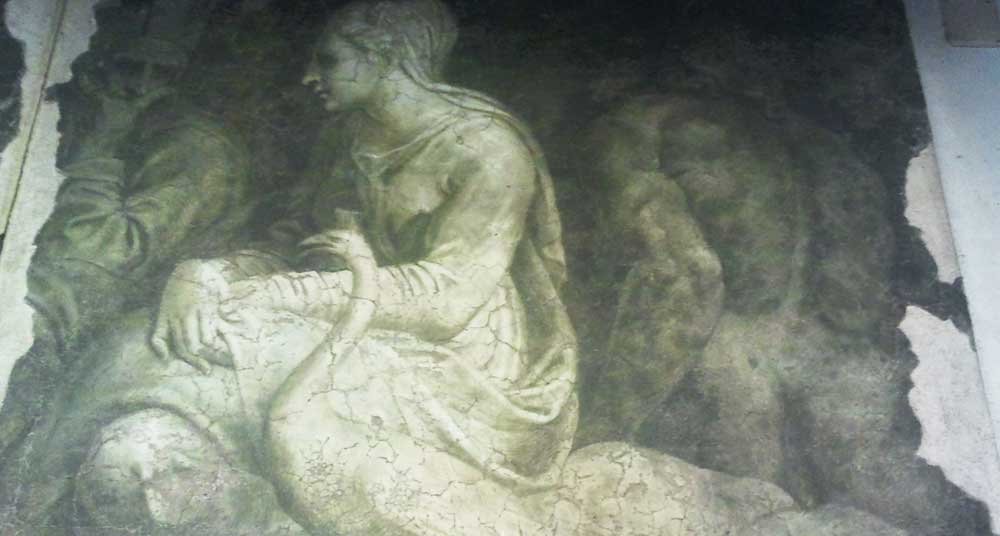
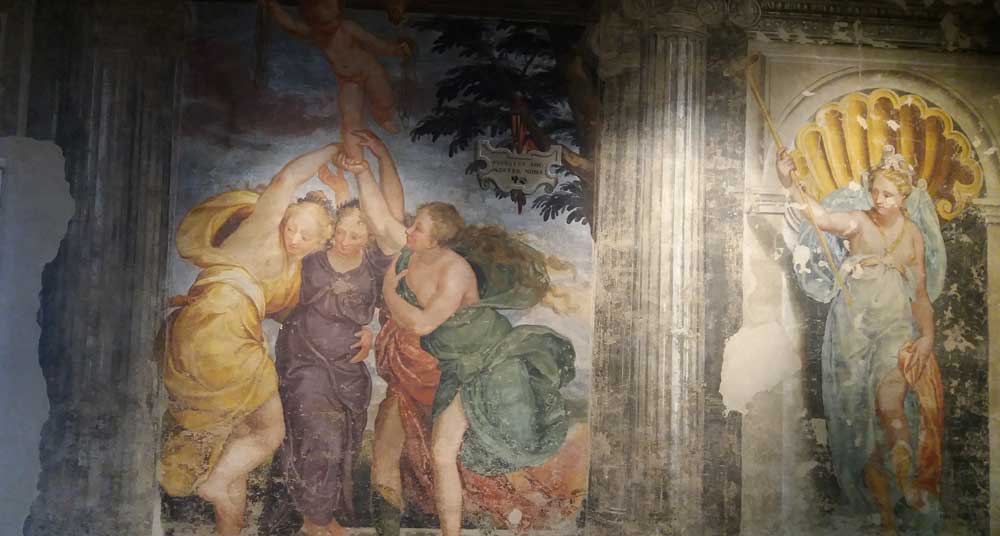
In the ancient Saint Francis monastery, where according to the legend Juliet was buried, you can admire frescoes representing saints and emperors, gods and allegories, detached from palaces and churches and here exposed in an interesting architectural complex. The most ancient of them date back to X century. This picturesque exhibition allows you to go from the Roman amphorae of the underground up to the painted room used for weddings, to see Juliet’s tomb and walk through lovely courtyards among statues.
Natural History Museum
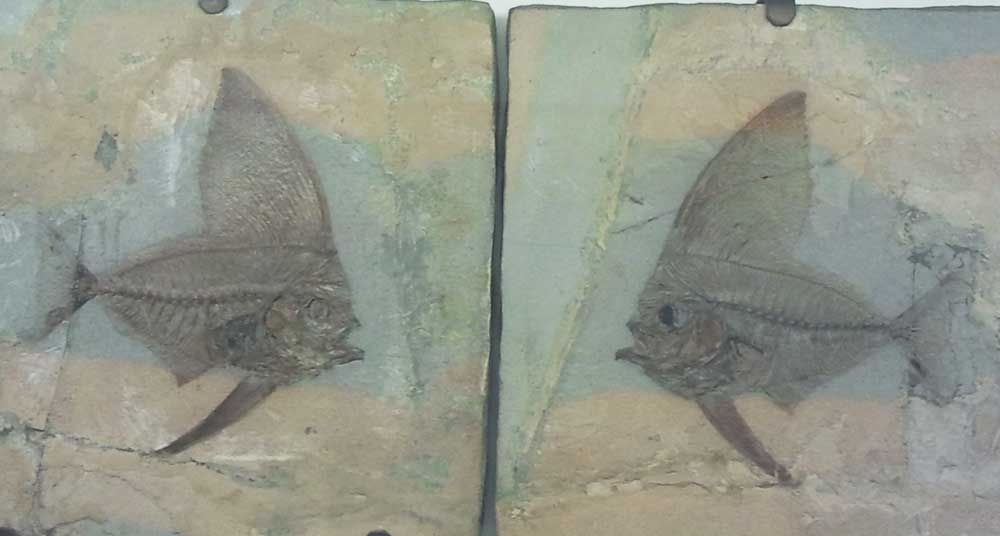
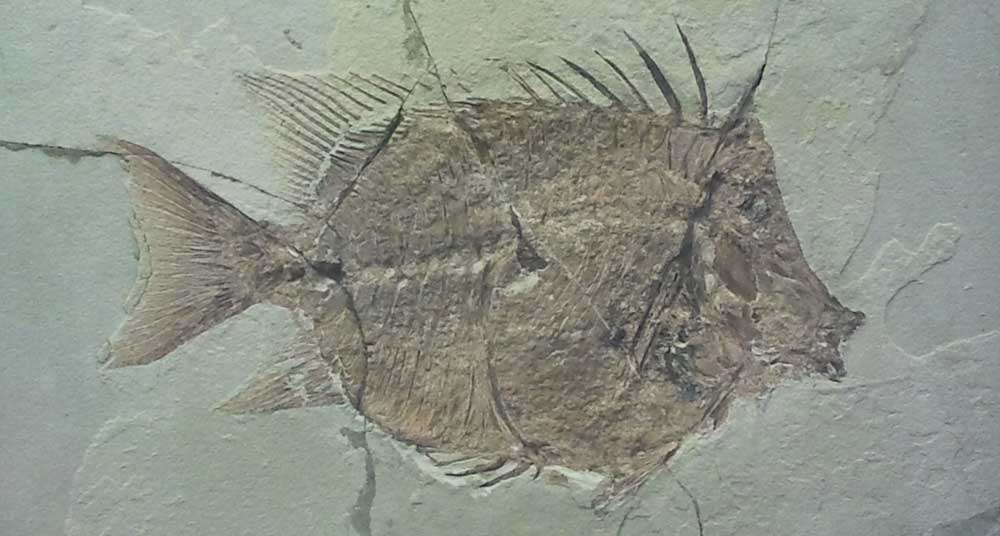
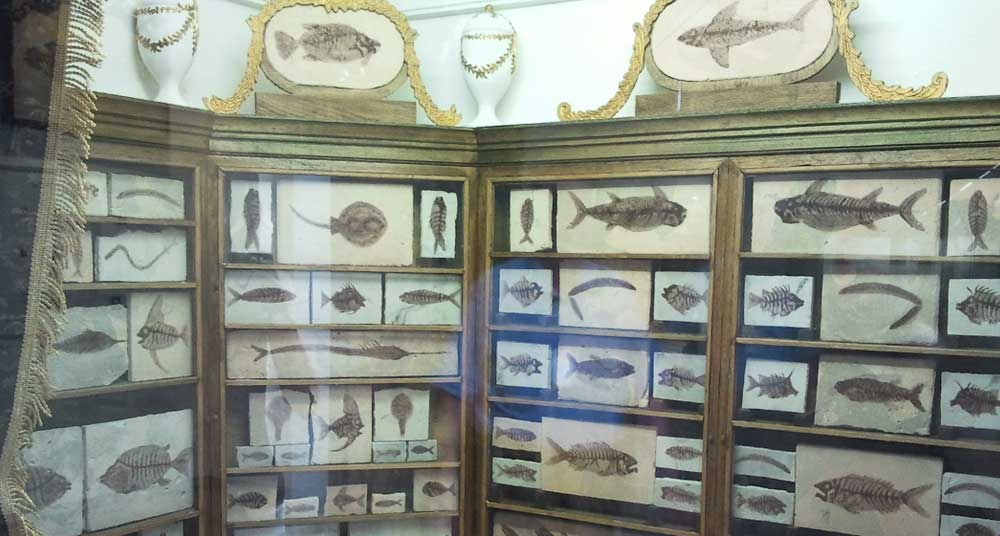
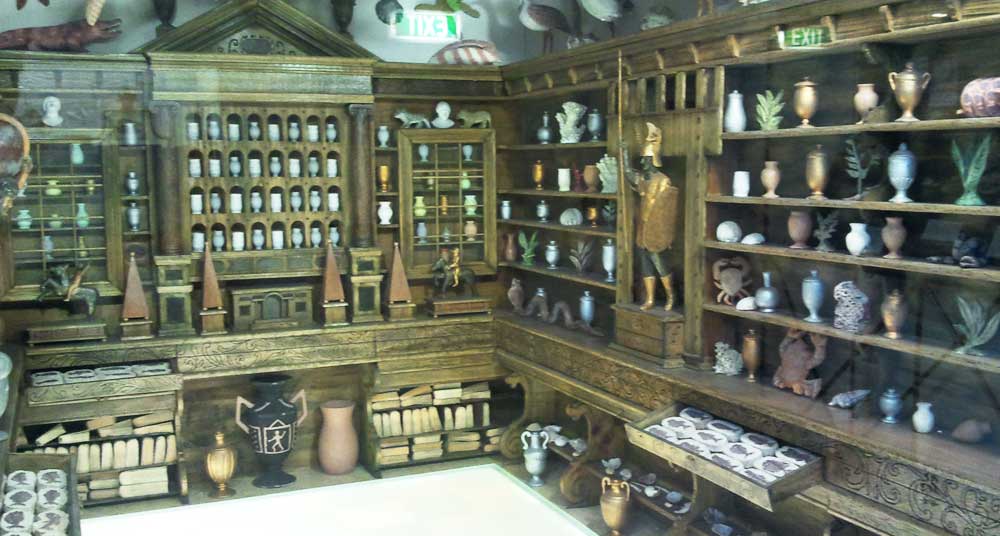
The Museum is located in a beautiful historical Palace. Minerals, stones, stuffed animals and fossils are the Museum's treasures, collected over five centuries and displayed in both traditional and innovative ways. Hundreds of tropical fish provide amazing evidence of life some 50 million of years ago on the coral reef of Verona.
www.museostorianaturaleverona.it
Art Gallery in the Palace of Justice
Under the highest tower of Verona, in the very centre of the city, works of art of the 19th and 20th centuries are exposed in medieval Court of Justice. Expressive paintings by Balla, Boccioni, Fattori, Guttuso, Casorati, Savinio, De Pisis and other artists are displayed in spacious halls along with masterpieces of classical sculpture. Very worthy of attention is the Notai Chapel, dedicated to Saint Daniel, the patron of the Notaries’ Corporation, which is painted on the theme of justice and salvation.
Radio Museum
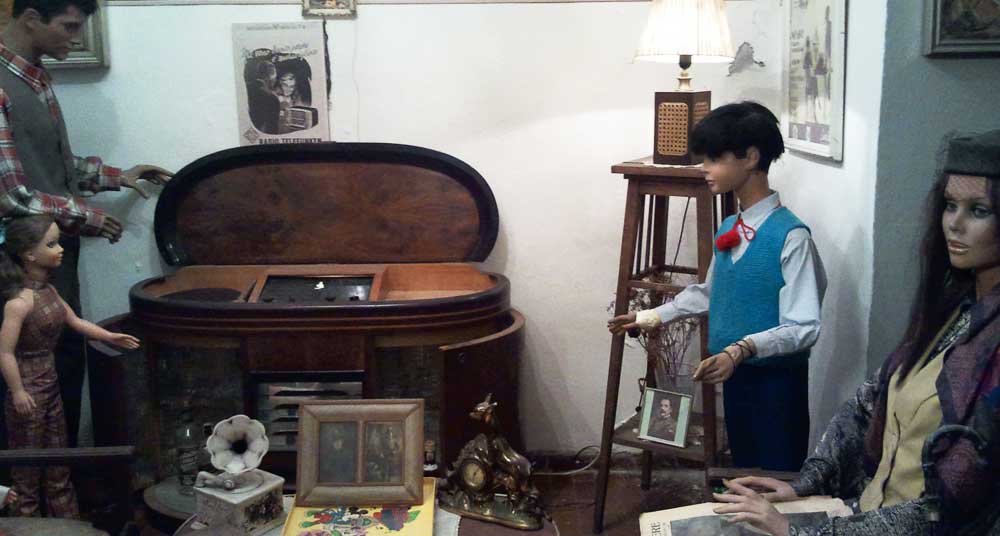
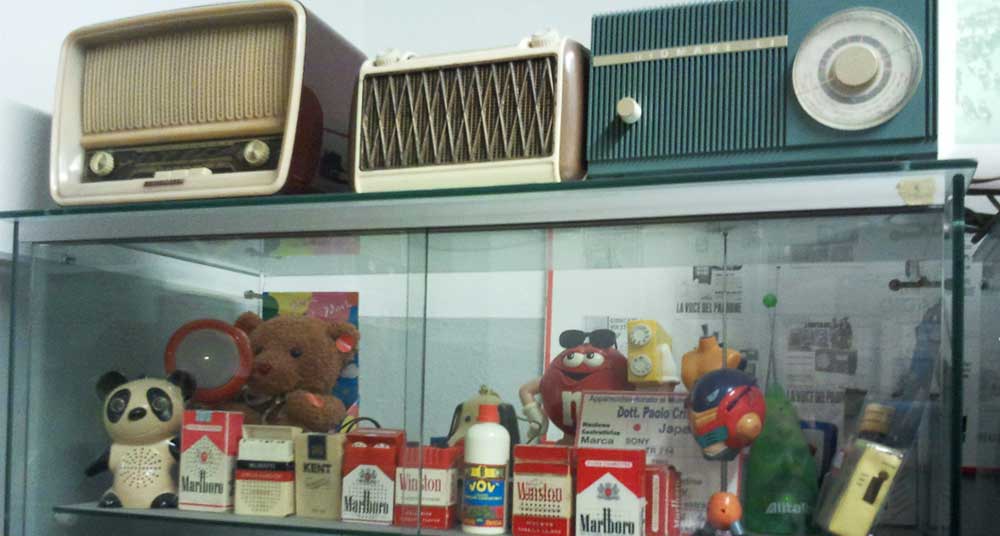
This large private collection created by Alberto Chiantera with great enthusiasm will surprise you. The exhibition, in the basement of the Technical Institute Galileo Ferraris, allows you to follow with delight the history of the Opera and the development of the radio in all its strange forms: telegraphs, amplifiers, disks and gramophones, antennas wrapped in coloured silk, and the first Wi-Fi in history: the authentic antenna invented by Guglielmo Marconi.
Palazzo Maffei
The luxurious Palace was built over a pagan temple for an aristocratic family in the 17th century. A Veronese businessman and art lover, Luigi Carlon, purchased it and opened it to the public. The Palace is furnished with masterpieces chosen with great taste, according to a double line: antique and modern art, creating a contrast that will not leave anyone indifferent. Picasso and De Chirico, Miro and Kandinsky, Magritte and Fontana, Duchamp, Andy Warhol... a caviar bowl from Faberge. This rich private collection consists of 350 works of art, old and modern in a dialogue that evokes deep emotions.
Inside the house-Museum there is a spiral staircase, at the end of which you can enjoy a great view of the most ancient square in Verona.
https://palazzomaffeiverona.com
The House-Museum Miniscalchi Erizzo
This is the Palace where the noble Miniscalchi family lived for five centuries. Behind the beautiful painted facade, decorated with elegant windows in the Venetian style, you can visit 20 rooms full of antique furniture and housewares, and admire an eclectic collection of paintings, bronzes, furniture, weapons and other items, especially from the 16th and 17th centuries.
Ancient Typography Arke Skaligere
This typography active since 1750 in the heart of Verona is a combination of artistic painting and typographic art: a Linotype, hand presses and thousands of movable characters, as in a museum, but still working. In this evocative environment full of works of art, you can attend courses of Engraving with the owner Prof. Carla Tinazzi Conte, courses of calligraphy, binding, marbling of paper and other ancient techniques. It has become a Cultural Association in order to preserve its old machinery and printing sets.
Juliet's House
Juliet’s house is one of the most visited museums in Italy. This is a medieval five storeyed house, where you can feel the atmosphere of bygone years and see Romeo and Juliet’s bed and costumes, used for the film by Zefirelli. Most tourists go up the narrow wooden staircase only to the second floor, to the most famous balcony in world literature and, unfortunately, do not get to the top floor, where there is an interesting ceiling in the form of a ship's keel with Golden stars.
https://casadigiulietta.comune.verona.it
