


Renaissance in Verona
Numerous archaeological ruins and magnificent Roman monuments of Verona inspired architects and sculptors of the XV-XVI centuries, such as Palladio and Mantegna.
To take a new and conscious look at the Renaissance palaces, we will start our tour with the inspiring architects of the Arena, the triumphal Arch Gavi and the Veronese Roman Gate.
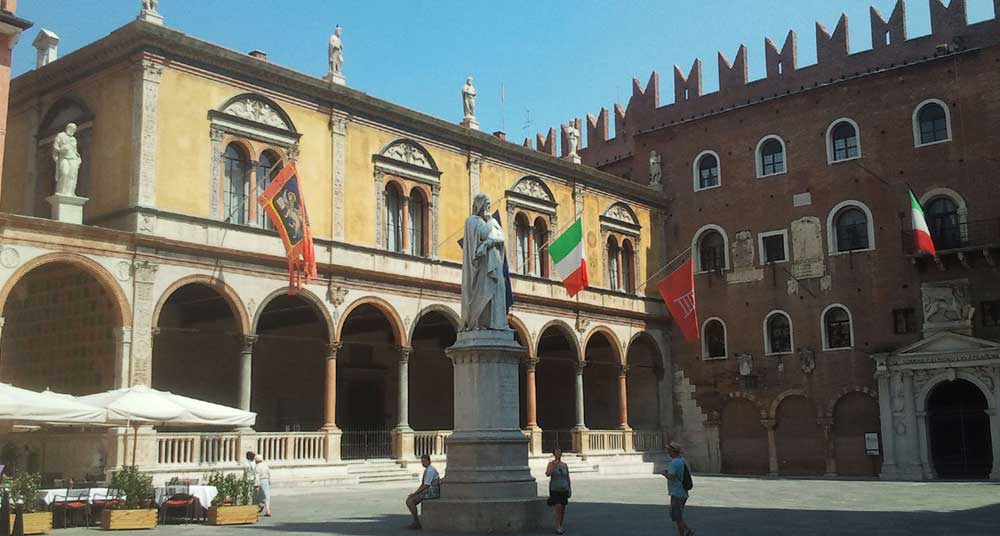
A real revolution in architecture took place in Verona when they built the Council House, Loggia del Consiglio, one of the most beautiful palaces of the early Renaissance, with a facade decorated with elegant columns and mythological figures.
We will also get acquainted with the great architect of late Renaissance – Michele Sanmicheli, who created the monumental city gates, churches and palaces for the Veronese aristocratic families. In our tour we will analyze his Canossa and Bevilacqua palaces with a comparative method.
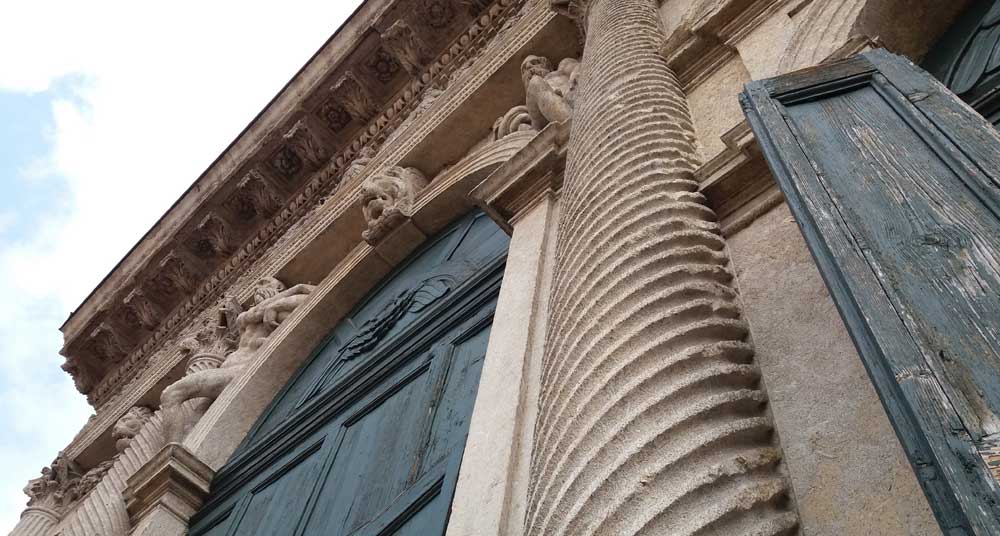
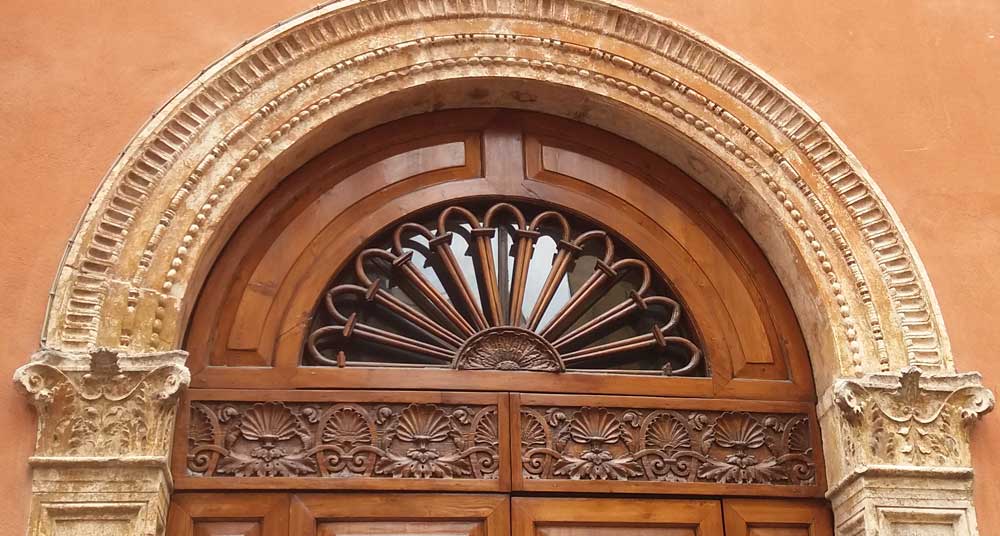
In no other city you will find such elegant portals as in Verona. Busts, mascarons and classic decorative elements will meet you almost at every front door, and I'll tell you their meanings.
In Verona, you can also see a 15th-century triptych painting by Mantegna, which became the starting point of Renaissance in Verona and a source of inspiration for many generations of artists.
I would also recommend you to see a unique masterpiece of sculpture and inlay in the Church of St. Maria in Organo, where marquetry has a complex iconography and Renaissance has found its best expression.
Nowhere else there are so many portals with candelabras and decorative elements derived from classical art. The real revolution in architecture starts in Verona with the construction of the Loggia of Council, followed by buildings with masks and busts in keystone. Michele Sanmicheli is the main protagonist of the late Renaissance. In our tour we will analyze his Canossa and Bevilacqua palaces with a comparative method.
I also recommend the triptych by Mantegna in San Zeno Church, which marks a milestone in the Renaissance painting, and the marquetry in the Church Santa Maria in Organo, which is one of the best Italian expressions of the complex Renaissance iconography.
